
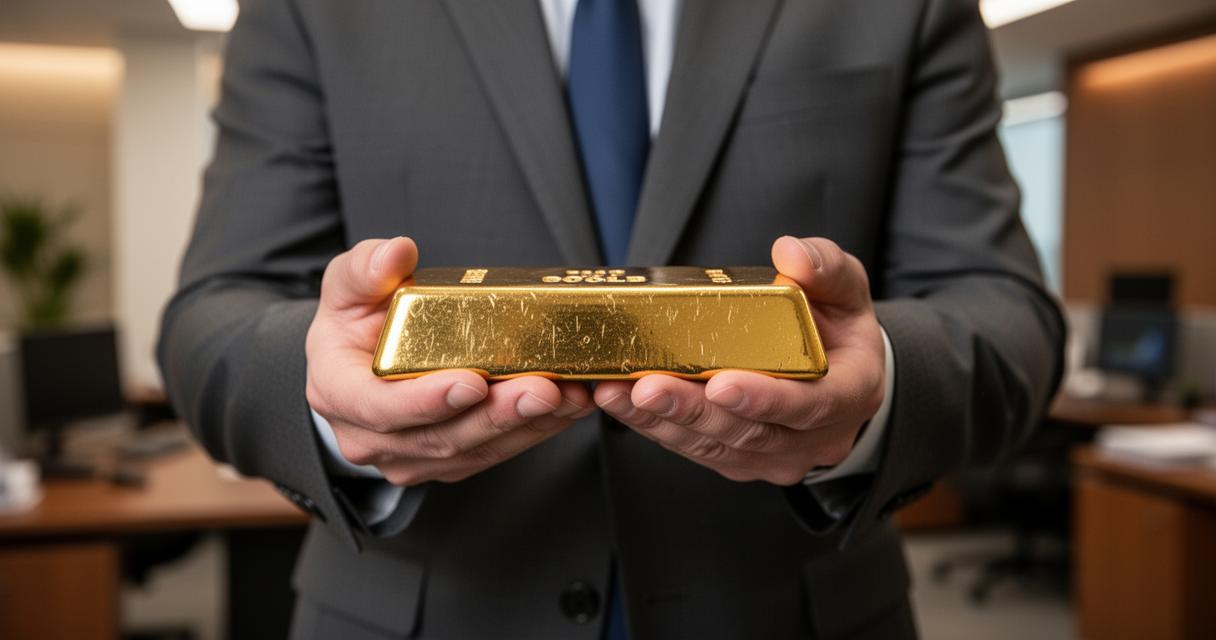
When you hold a gold ingot in your hands, it is easy to admire the warm lustre and reassuring weight of the metal. Yet behind that gleaming bar lies a complex global journey, one that touches ecosystems, communities and regulatory frameworks across multiple continents. For anyone considering an ethical gold investment, understanding how that journey unfolds is no longer optional; it has become an essential part of responsible ownership.
At a glance
- The global gold supply chain is highly fragmented, making full traceability from extraction to the final cast ingot a significant challenge for investors.
- Gold mining causes extensive environmental damage, including severe soil erosion, high water consumption, and significant carbon emissions in biodiverse regions.
- Certifications like Fairtrade Gold provide essential auditable evidence to verify that a product meets specific social and environmental sustainability standards.
- Modern refining techniques are increasingly adopting green methods to reduce toxic by-products and energy use while maintaining the gold’s high purity.
- Swiss regulatory standards for refinery due diligence are influencing global practices, though a lack of universal international laws keeps industry progress uneven.
- Recycled gold, including metal from electronic waste, offers a sustainable alternative by significantly reducing the need for environmentally damaging mining operations.
- Investors should prioritize transparency by scrutinizing provenance documentation and selecting reputable dealers who can verify the ethical origin of their products.
Assessing the Environmental Footprint of a Casted Gold Ingot
Traceability and Sourcing Across the Global Gold Market
The gold market is vast, spanning every region of the planet, and the path from ore to a refined, casted gold ingot is rarely straightforward. Traceability (the ability to follow a metal from its point of extraction through to its final cast form) has emerged as one of the most pressing concerns for investors, jewellers and regulators alike. Research into supply chains reveals that the universe of gold sourcing is fragmented, with ore passing through multiple hands, countries and refining facilities before it reaches the collector or investor. This complexity makes it genuinely difficult to verify the precise origin of any given bar, particularly when production spans regions with differing environmental standards.
The drive for transparency is now reshaping how the industry operates. Certifications such as Fairtrade Gold have been developed specifically to give consumers a reliable signal that the metal in their collection has been sourced with due regard for people and planet. These schemes attempt to map the full chain of custody, from the mining place to the final product, ensuring that the language of sustainability is not merely decorative but backed by auditable evidence.
Understanding Soil Erosion and Water Usage in Mining Places
The environmental impact of mining is well documented, and gold extraction sits among the more damaging industrial activities in terms of land disturbance. Open-pit operations in particular can disrupt vast areas of terrain, triggering soil erosion that affects local waterways and agricultural land for years after a mine closes. Water usage is another significant concern: the processes used to separate gold from surrounding rock are notoriously water-intensive, placing pressure on local supplies in regions that may already face scarcity.
Beyond water, gold mining is energy-intensive and contributes meaningfully to global carbon emissions. The habitats most affected are frequently biodiverse, meaning that the ecological cost extends well beyond the immediate footprint of the mine itself. Wildlife corridors can be severed, and the cumulative effect on vulnerable ecosystems is a subject of ongoing research by environmental scientists and development organisations alike.
Evaluating Refining Methods and the Swiss Standards in Production
Comparing traditional casting techniques and modern sustainability
Once ore has been extracted, the refining process determines how much additional environmental burden is placed on the planet before a bar is ready for the market. Traditional casting techniques have historically relied on chemical processes that generate significant quantities of toxic by-products. Modern approaches, however, are increasingly designed with ecological sustainability in mind, aiming to reduce pollution and minimise resource consumption without sacrificing the purity that buyers expect.
Industry observers note that large refineries are now adopting green methods at a pace that would have seemed unlikely a decade ago. The motivation is partly regulatory and partly commercial: buyers in the investment market increasingly wish to try sourcing metal that aligns with responsible mineral extraction principles, and refiners who can demonstrate this commitment gain a meaningful competitive advantage. Modern techniques have demonstrated that high purity and minimal waste are not mutually exclusive, a finding that has helped dispel earlier scepticism about the viability of eco-friendly gold refining.

How national regulations shape responsible gold supply chains
Switzerland has long been associated with gold purity standards and meticulous refining practices, and the country’s regulatory environment continues to influence how responsible supply chains are structured globally. Swiss refiners are subject to stringent due diligence requirements, compelling them to investigate the provenance of every shipment they process. This framework has had a ripple effect across the broader industry, encouraging refiners in other countries to raise their own standards in order to maintain access to premium markets.
National regulations vary considerably from one country to the next, however, and the absence of a universally binding international standard means that the green gold industry remains patchwork in its coverage. The United Nations Development Programme has emphasised the need for environmentally responsible mineral extraction, and the Sustainable Development Goals provide a framework that many industry participants are attempting to align with, though progress has been uneven, in part because of persistent global challenges that divert attention and resources.
Steps to verify responsible origin before purchasing this year
Examining documentation and provenance across every region
For a buyer building or expanding a precious metals collection, the most practical step is to request and scrutinise documentation before any transaction is completed. A reputable vendor should be able to provide information about the refinery that produced the bar, the region from which the ore originated, and the certification schemes under which the metal was processed. Hallmarked gold carries a formal assurance of purity, but the hallmark alone does not confirm anything about the ethical dimensions of its production, those require additional provenance records.
It is worth asking specifically about recycled gold as an alternative to freshly mined metal. Precious metal recycling (including urban mining, which recovers gold from electronic waste) dramatically reduces the demand placed on the environment. Processing recycled gold requires less energy than refining newly extracted ore, resulting in a smaller carbon footprint and helping to reduce greenhouse gas emissions. Recycled gold supports a circular economy, reusing existing materials rather than continuously extracting new resources, and the finished product is indistinguishable from conventionally mined gold in terms of purity and appearance.

Selecting responsible precious metal services for your collection
Choosing the right service when purchasing gold bullion or any form of ethical jewellery involves more than simply comparing prices. A responsible dealer will be transparent about their supply chain, willing to discuss the colour, quality and provenance of the metal they offer, and able to direct customers towards independently verified certification where it is available. The service provider’s approach to documentation and their willingness to answer detailed questions are themselves meaningful indicators of trustworthiness.
The gold refining process has evolved considerably, and buyers today have more options than ever when it comes to selecting metal that reflects their values. Whether the goal is to invest in gold bullion, commission a custom piece or simply add a carefully sourced bar to a collection, the tools for researching responsible origin are increasingly accessible. By taking the time to examine certifications, ask questions about provenance and consider recycled alternatives, collectors and investors can ensure that their choices contribute to a more sustainable and equitable global gold market, one that this year, and in the years ahead, will be defined increasingly by accountability as much as by purity.